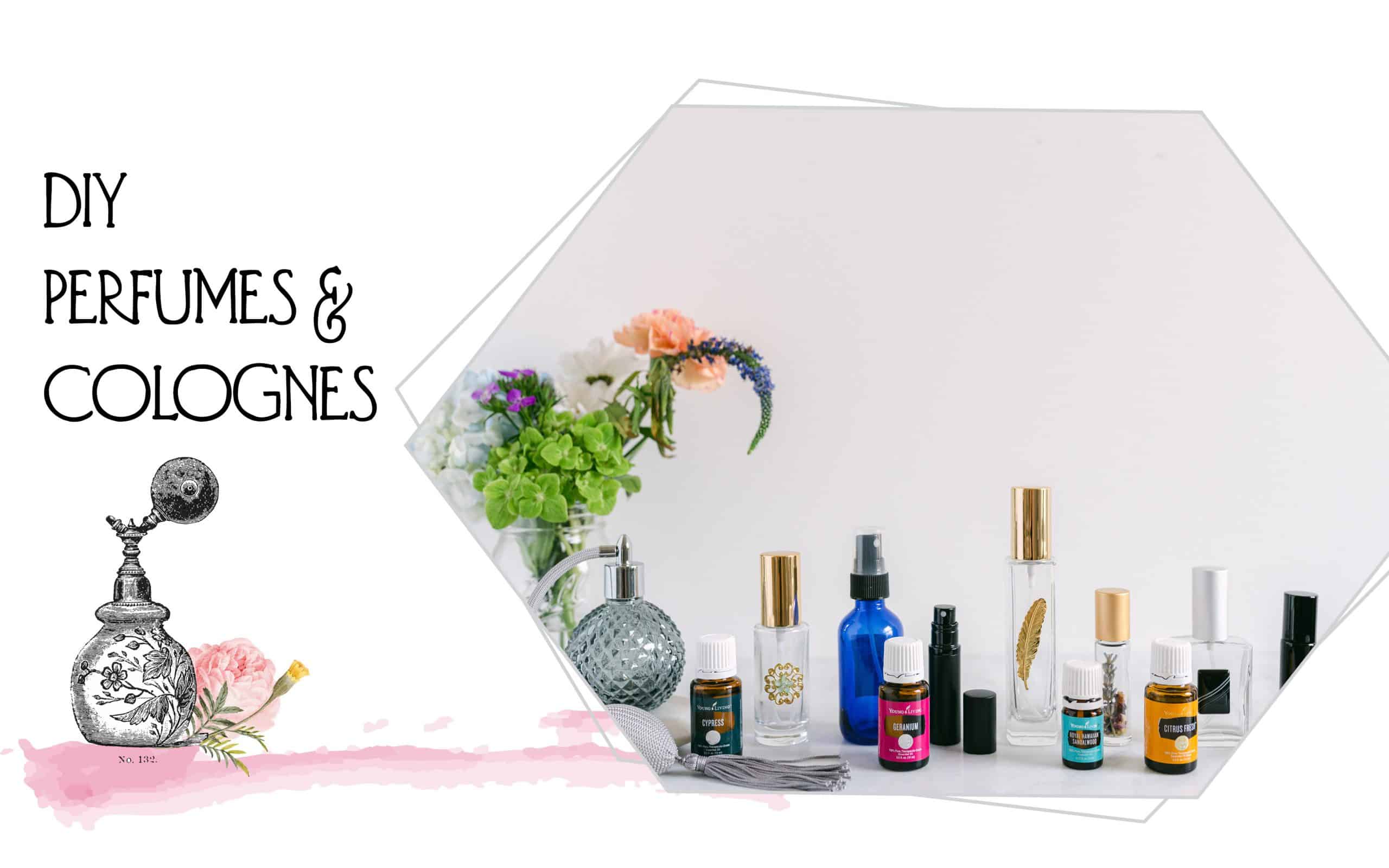
It is so easy to learn How to Make Perfume once you know these basics.
You’ll be able to replace questionable perfumes, colognes, and body sprays with ones you know are trustworthy and safe.
You’ll find several Homemade Perfume Recipes below.
Have you been looking through your scented body sprays and wondering if you’ve been accidentally spraying toxins on yourself?
Many products list “fragrance” on the label, but very few name the specific ingredients that make up a “fragrance”.
This makes it very difficult to know what’s actually in your perfume or cologne.
Some of these chemicals have been linked to serious health problems such as cancer, reproductive and developmental toxicity, allergies and sensitivities.
How to Make Perfume
I’ll walk you through some simple steps to create your very own perfumes and colognes.
And to make it even better, the steps you learn are going to be easy to repeat when it’s time to refill or try something new!
Did you know that wearing perfume or cologne is a confidence booster?!
People say they feel more confident when they have a killer scent on. Some people even feel ‘naked’ when they forget to put it on during their daily routine.
Whether you’re a daily wearer or an occasional spritzer, it’s time for you to sniff with confidence.
How to Make Perfume with Essential Oils
Using your essential oils to create a personalized scent not only allows you to smell amazing – it ensures you are enjoying a fragrance that is safe for your body and those around you.
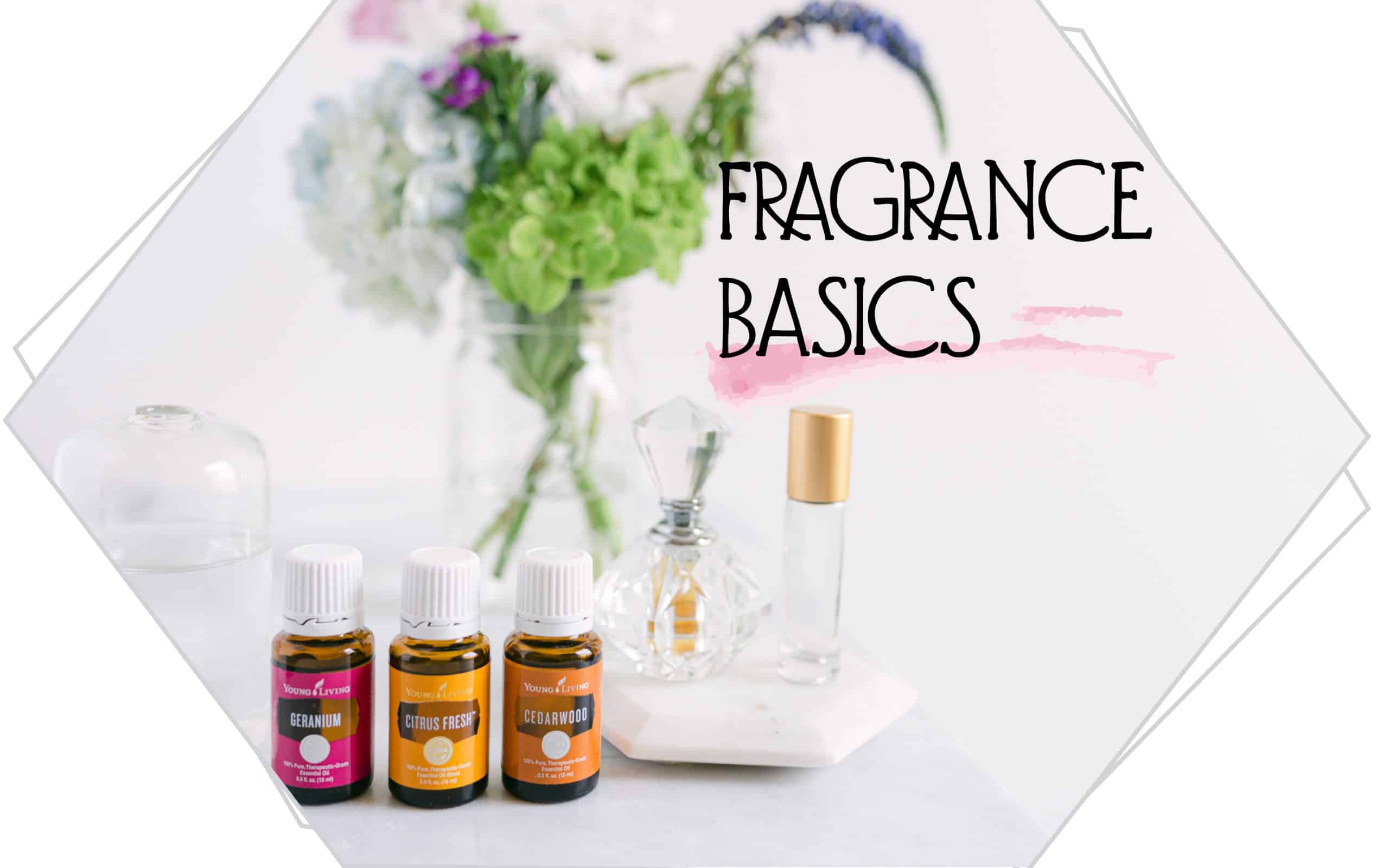
Custom Perfume Basics
Every quality perfume or cologne needs a good base.
This allows for the fragrance to remain intact throughout the life of the perfume/cologne. You want it to have a nice shelf life so you can enjoy it for as long as possible.
You’ll want to choose a carrier with little to no scent.
For spray-on fragrances: use a clear, scentless solvent like vodka or witch hazel. This helps the essential oil distribute evenly throughout the bottle.
For roll-on fragrances: use an unscented carrier oil like jojoba or almond oil.
If you choose to use water as your base, which you can, be sure to choose distilled water. The minerals and impurities have been removed so it’s a “safe” option to use in sprays.
However, just know that vodka or witch hazel would allow the essential oils to be more evenly distributed.
Depending on the size of the bottle you’re using – either a spray or roller bottle – you will want to loosely follow an 80:20 ratio.
Use a carrier oil or solvent for 80% of the spray and an essential oil blend for the remaining 20%.
Let’s start with some simple guidelines to help you build a personalized blend of fragrances using your oils.
Essential oil fragrances are classified as “notes”. Just like music, you want all the notes – top, middle, and base notes – to harmonize, making a beautiful “sound.”
The Top Note is the scent your nose detects first. It is the “first impression” scent, usually a citrus or herb.
The Middle Note is the scent detected 10-45 minutes after applying and can last several hours on the skin. It is often referred to as the “heart note”, the one noticed after the top note is gone. It’s typically warm and well-rounded.
The Base Note lasts far beyond the other notes. It’s the scent that appears once the others have evaporated. It creates a lasting impression.
To summarize, the Top Note is the introductory scent that catches your attention.
The Middle Note is the core of the aroma – the smell that gives body to your fragrance.
And the Base Note is what blends all three together, creating a quality smell that lasts for hours without fading.
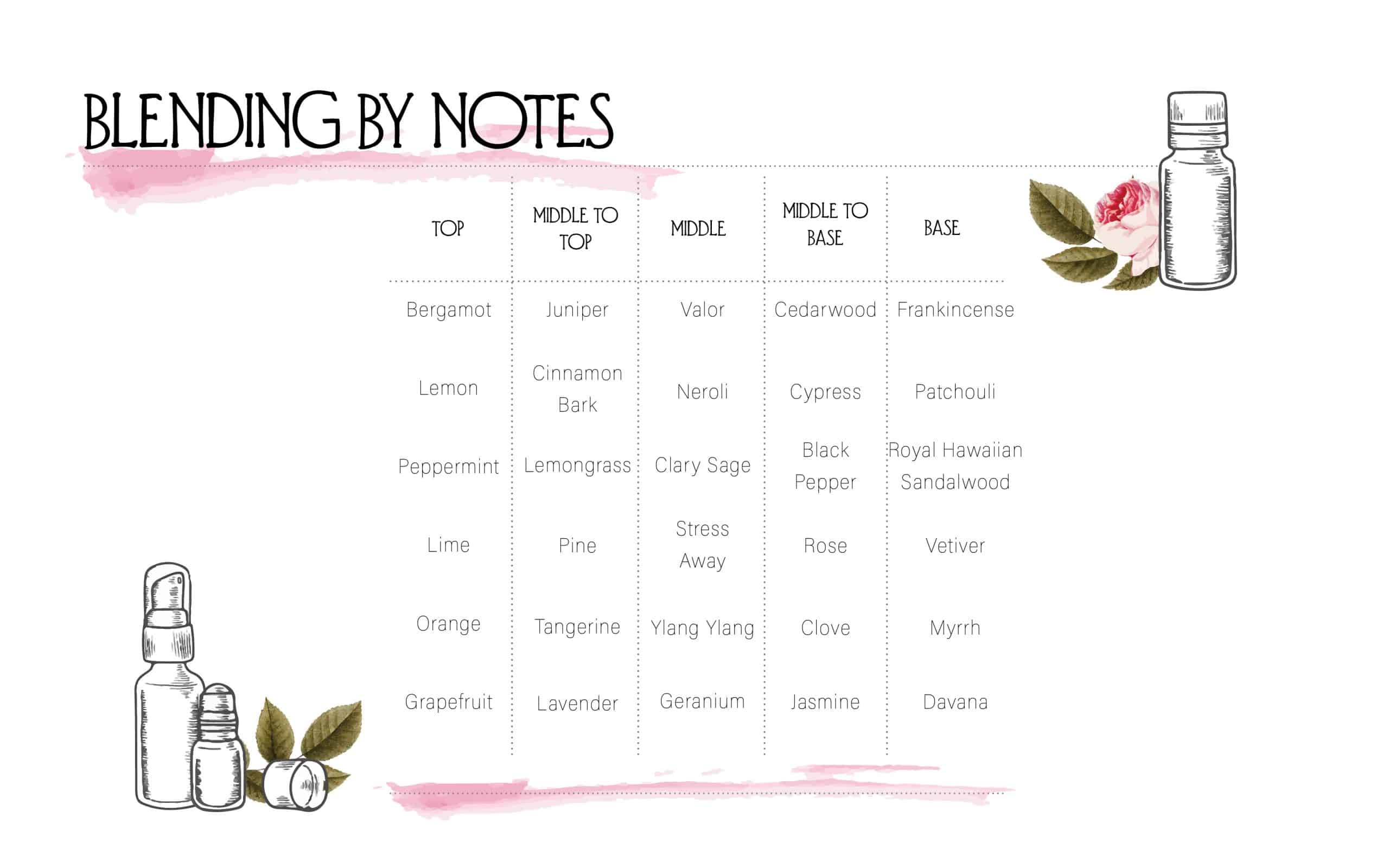
Use this quick table to guide you as you start blending notes.
Start by choosing 2-4 oils in each row to work with; add as much as your nose likes!
There are no hard and fast rules to blending; just do what smells good to you.
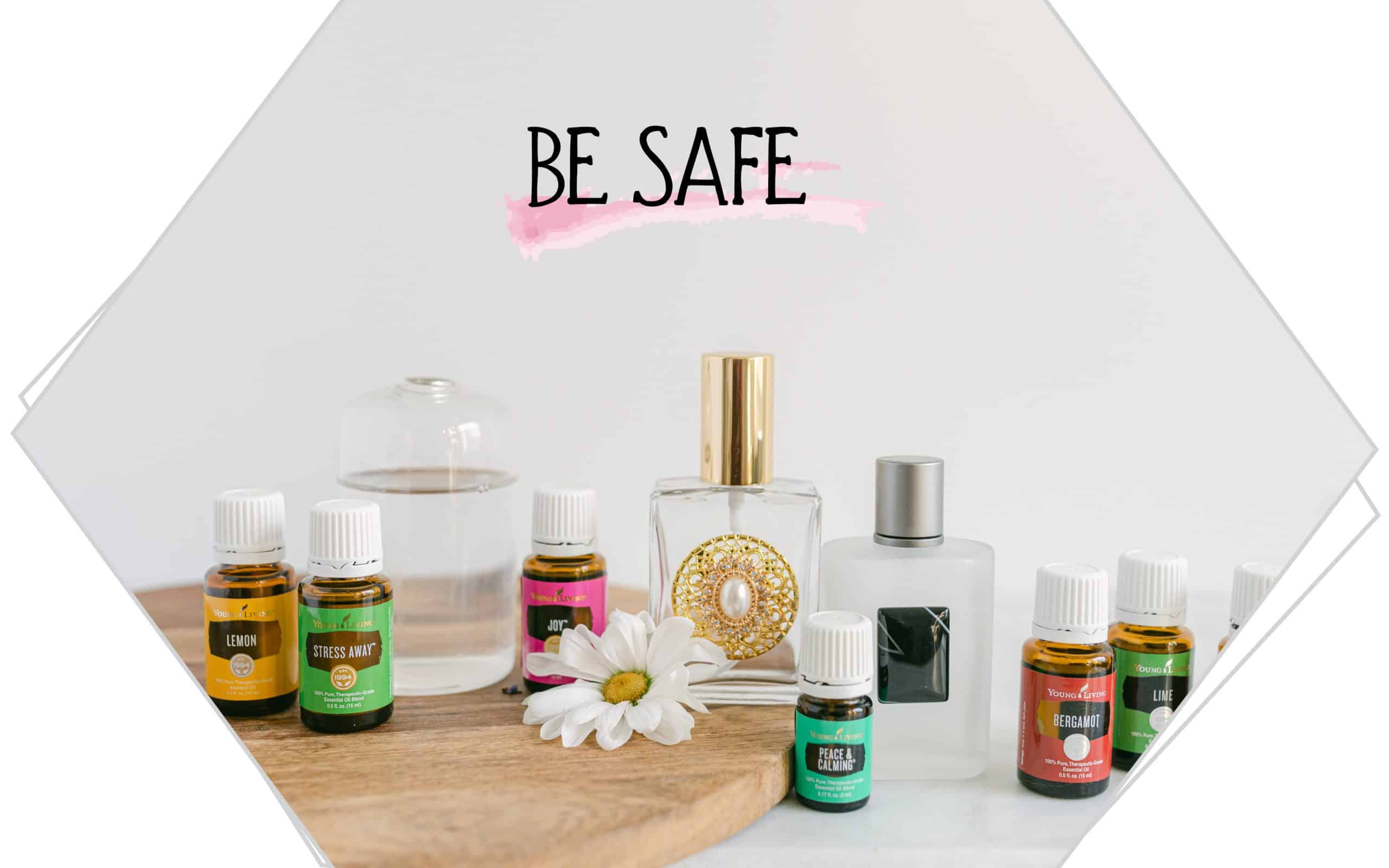
It’s important to mention that oils are potent and careless use of them can cause harm.
Here are a few general safety ‘rules’ to keep in your back pocket.
Diluting oils is the number one way to protect yourself from accidental irritation; following the 80:20 dilution is a very conservative way to start, especially if you are more sensitive in nature to begin with.
If you feel like you need your oils diluted less or more, go ahead. It’s totally up to you!
Some essential oils cause photosensitivity thanks to the compounds found within.
Thankfully, all of Young Living’s essential oils that cause photosensitivity are labeled.
Always check the label to see what cautions are associated with the oil you’re using.
Don’t let that keep you from enjoying citrus oils in your DIY perfumes and colognes!
Your essential oils are diluted in the recipes you’re creating, but just to be safe – spray or roll on those perfumes in a place where the sun doesn’t shine or simply cover it with clothing if you plan to spend a lot of time in direct UV rays.
Essential Oil Perfume Recipes
Now onto the good stuff. Below you’ll find several DIY Essential Oil Perfume recipes to choose from.
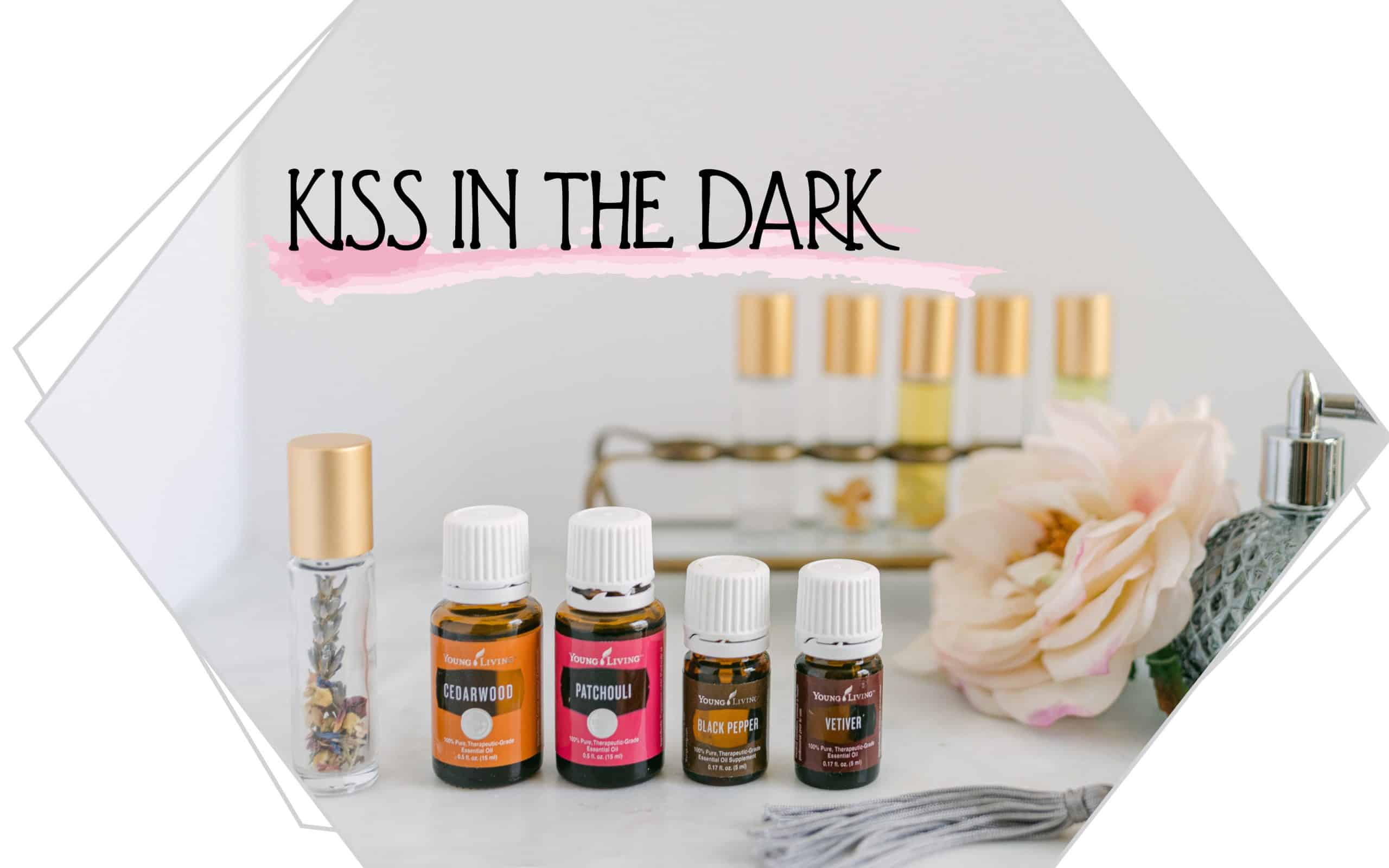
Perfume Blends: ‘Kiss in the Dark’
Let’s get into the good stuff… the recipes!
This first magic mix is perfect for date night or ANY night you just want to smell alluring and enchanting.
I'm the blogger behind Saving Dollars & Sense. I started this website over ten years ago, to share my journey out of debt, while living a simple, frugal lifestyle. You'll find lots of great MONEY SAVING TIPS, DIY PROJECTS, HOMEMADE RECIPES, SIMPLE LIVING IDEAS and MORE!! I'm so glad you're here.