Ever feel like you’re juggling a bunch of debt and loans and just trying to keep your head above water?
You’re not alone, and I’ve got good news.
Today we’re talking about a few smart ways to manage your debt and make real progress toward paying it off!

Tips for Debt Management and Paying Off Loans
Here are some detailed tips and strategies for managing debts and paying off loans:
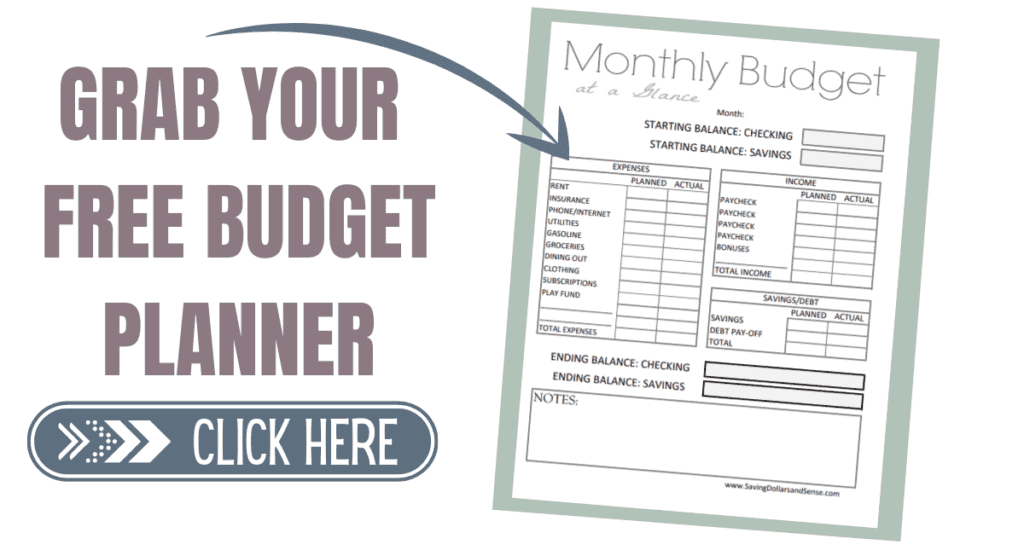
Create a Detailed Budget
Start by understanding your income, expenses, and outstanding debts.
Create a comprehensive budget that outlines your monthly spending, including essential expenses and discretionary items.
This will give you a clear picture of where your money is going and how much you can allocate toward debt repayment.
READ: Household Budgeting Mistakes
Choose a Suitable Repayment Strategy
Choose a debt repayment strategy that suits your preferences.
For example. the snowball method involves paying off the smallest debts first, gaining momentum as you move to larger debts, while the avalanche method prioritizes high-interest debts, saving you money on interest over time.
We’ll talk about different repayment strategies in more detail later on in the article.
Prioritize High-Interest Debts
It’s generally recommended to identify the debts with the highest interest rates, such as credit cards or high-interest loans.
Focus on paying these off first, as they can accumulate the most interest over time.
You can make minimum payments on other debts to avoid late fees, but allocate extra funds to the high-interest debts.
Negotiate Interest Rates
Contact your creditors to negotiate lower interest rates.
Explain your situation, emphasizing your commitment to paying off the debt.
Many creditors are willing to work with you to establish a more manageable interest rate, which can significantly reduce the overall amount you’ll pay.
Cut Unnecessary Expenses
Temporarily cut back on non-essential expenses to free up more money for debt repayment.
Evaluate your spending habits and identify areas where you can make adjustments.
This may involve cooking at home, canceling subscription services, or finding more cost-effective alternatives.
READ: 15 Tips for Cutting Monthly Expenses
Boost Income
Explore opportunities to boost your income.
This could involve taking on a part-time job, freelancing, or selling unused items.
The additional income can accelerate your debt repayment and improve your overall financial situation.
READ: Side Hustles That Can Earn Big Bucks
Build an Emergency Fund
Establishing an emergency fund can prevent you from accumulating more debt in the future.
Having savings to cover unexpected expenses reduces the likelihood of relying on credit cards or loans, allowing you to focus on paying off existing debts.
READ: How to Save Up An Emergency Fund
Seek Professional Advice
If managing debts becomes overwhelming, consider consulting with a financial advisor.
They can provide personalized guidance and help you explore options such as debt settlement or debt management plans.

Remember, consistency is key in debt repayment. It might take time, but with dedication and a solid plan, you can successfully manage and pay off your debts.
Which Repayment Strategy Is the Best?
The “best” repayment strategy depends on your individual financial situation, preferences, and goals.
Let’s explore a few popular strategies, and you can decide which aligns best with your circumstances
Popular Repayment Strategies
- Debt Snowball: Start by paying off your smallest debts first, then roll those payments into progressively larger debts. Grab this FREE Debt Snowball Worksheet to help you get started.
- Pros: Quick wins can boost motivation. Smaller debts eliminated faster.
- Cons: May not be the most cost-effective; larger interest debts might linger.
- Debt Avalanche: Tackle debts with the highest interest rates first, then move down the list.
- Pros: Saves money on interest in the long run. More cost-effective.
- Cons: Takes longer to see tangible results.
- Debt Tsunami: Combines elements of both snowball and avalanche. Prioritize debts based on both size and interest rate.
- Pros: Balances quick wins with interest savings. Tailored approach.
- Cons: Requires a bit more planning and tracking.
- Minimum Payments: Pay the minimum on all debts but allocate extra funds to the debt with the highest interest rate.
- Pros: Focus on high-interest debt while maintaining minimum payments on others.
- Cons: Takes discipline to consistently allocate extra funds.
- Consolidation: Combine multiple debts into a single, often lower-interest loan.
- Pros: Simplifies payments; potential for lower interest rates.
- Cons: Risk of accumulating more debt; fees and costs associated with consolidation.
- Bi-weekly Payments: Instead of monthly payments, pay half the monthly amount every two weeks. This results in an extra payment each year.
- Pros: Slightly reduces the interest paid over time.
- Cons: Requires budgeting for the extra half-payment each month.
Which Is Right for You?
Ultimately, the right strategy for you is one that you can stick with.
For instance, some people prefer the emotional boost of the snowball method, while others prioritize the financial benefits of the avalanche method.
Feel free to mix elements of multiple strategies if that suits your circumstances.
If you can’t decide, consider consulting with a financial advisor who can provide tailored advice based on your unique situation.
The key is to create a plan that aligns with your personality, goals, and financial reality.
Should You Get Another Loan to Consolidate Debt?
The classic conundrum: should you take out another loan to consolidate existing debt?
While it can be a viable strategy, it’s essential to carefully consider the pros and cons before deciding.
Here’s a breakdown to help you make an informed decision:
The Pros of Debt Consolidation:
- Simplified Repayments: Instead of juggling multiple debts and due dates, consolidation rolls everything into one, making your financial life simpler. One payment, one due date – easy peasy.
- Lower Interest Rates: If you can secure a consolidation loan with a lower interest rate than your existing debts, you’ll save money in the long run. This can lead to lower monthly payments, making it easier to manage.
- Fixed Interest Rates: Unlike credit cards with fluctuating interest rates, many consolidation loans offer fixed rates. This means your interest rate won’t surprise you down the line, providing stability in your repayment plan.
- Potential for Better Terms: Some consolidation loans come with more favorable terms, such as longer repayment periods. While this may mean paying more interest over time, it can also reduce the immediate financial strain.
The Cons of Debt Consolidation:
- Risk of Accumulating More Debt: Consolidating debt doesn’t magically erase it. If you’re not disciplined with your spending, you might end up with the consolidated loan and new credit card debt, doubling your trouble.
- Fees and Costs: There can be fees associated with taking out a consolidation loan, such as origination fees or prepayment penalties. Factor these into your decision-making.
- Credit Score Impact: The act of applying for a new loan can temporarily ding your credit score. However, if you manage the new loan well, your credit score may improve over time.
Considerations Before Consolidating:
- Assess Your Financial Discipline: Be honest with yourself. If you’re consolidating to make room for more spending rather than to get out of debt, it might not be the wisest move.
- Compare Interest Rates: Do the math. If the new loan’s interest rate isn’t significantly lower than your current rates, consolidation might not be as beneficial as it seems.
- Understand Terms and Fees: Read the fine print. Know the terms of the new loan, including any fees. Don’t be caught off guard by hidden costs.
- Seek Professional Advice: Consult with a financial advisor. They can provide personalized guidance based on your unique financial situation.
Debt consolidation can be a helpful tool if used wisely.
However, it’s not a one-size-fits-all solution, so make sure to carefully evaluate your circumstances and long-term financial goals before making a decision.

In the grand scheme of things, debt management is a marathon, not a sprint.
Armed with these tips and strategies, you’re well on your way to financial freedom.
Stay focused, stay disciplined, and watch those debts disappear one by one. You’ve got this!