If you’ve ever felt like your money disappears faster than you can earn it… you’re not alone.
I’ve been there too, looking at the bills, wondering where all the money went, and trying to figure out what I could cut without making life miserable.
The good news? You don’t have to overhaul your entire life to start saving money.
Sometimes it’s the small, simple changes that make the biggest difference.
In this post, I’m sharing practical, real life ways to cut household costs, without feeling deprived, so you can keep more money in your pocket and finally feel a little breathing room in your budget.
Most of us try to cut costs in the obvious areas, but we often overlook just how many everyday expenses are quietly adding up.

We forget there are way more expenses than electricity, rent, and groceries. I mean, what about insurance, shopping of any kind, and even pet food?
We often think we have the best deal in these areas, or there’s no way to cut costs down.
So when we’re trying to figure out how to cut costs, we often think we’re doing everything we can, but we actually aren’t.
What Counts as Household Expenses?
Household expenses include more than just rent and groceries. They can also include:
- Insurance
- Rent/Mortgage
- Subscriptions
- Groceries
- Utilities
- Pet care
- Cell phone bill
- Cable
- Streaming services
- Credit cards
- Gym membership
- Car/Transportation
Once you see everything in one place, it becomes much easier to spot where you can cut back.

Quick Wins to Cut Household Costs Fast
If you’re feeling overwhelmed, start here.
- Look at your recent bills and bank statements
- Cancel one unused subscription
- Skip takeout for a few days
- Switch to store brands
- Lower your thermostat by a few degrees
These small changes can start saving you money right away.
A Simple Plan to Start Saving Today
If you’re not sure where to begin, start with these simple steps:
- Review your bills
Take a few minutes to see exactly where your money is going. - Cut 1–2 subscriptions
Cancel anything you’re not using regularly. - Plan your meals for the week
This helps reduce grocery costs and avoids last-minute takeout. - Reduce one major expense
Focus on one area like groceries, utilities, or transportation to make a bigger impact.
Look At Your Bills
The first way to start cutting your bills and expenses is to look at your accounts.
By knowing what you’re paying for and how much, you can then determine what needs to go.
You never know how much you’re truly spending on clothes and eating out until you track it.
Another thing that can occur is you might have thought you canceled something, but you never actually did.
You could have even been double charged or billed for a higher package than you have.
This is why looking at your bills alone can save you a ton.
I know someone who moved, and when they set up their internet, the company made two accounts, and on top of that, they were being billed extra for things they didn’t request.
This went on for a year before they found out that if they had gone over their bills, this wouldn’t have happened.
Start A Budget
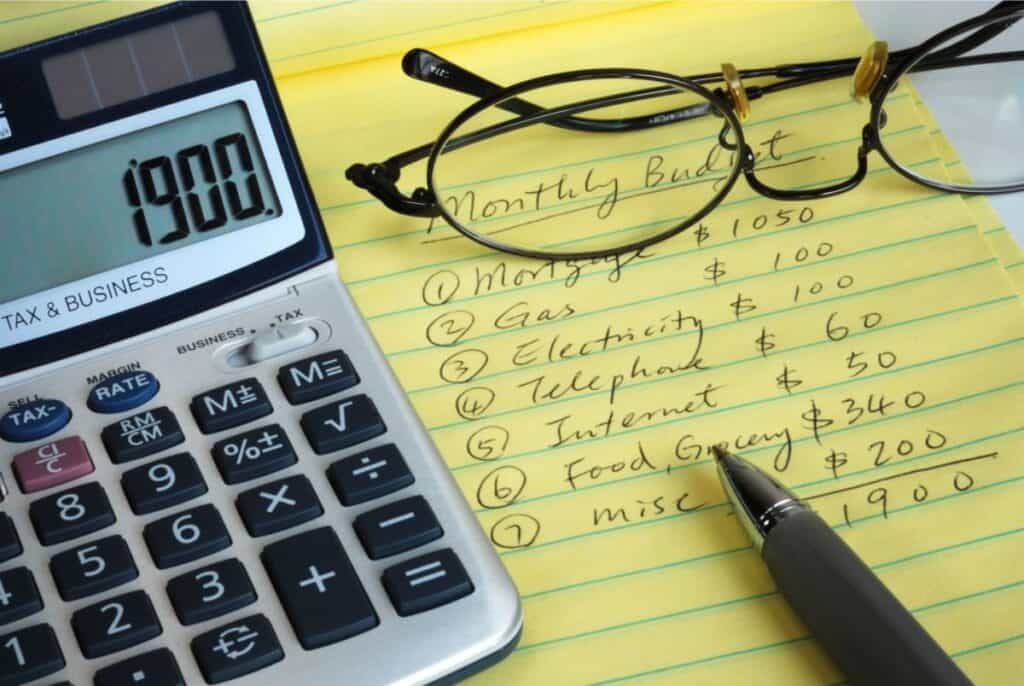
Creating a budget is one of the most effective ways to cut household costs.
Grab a FREE Printable Budget Worksheet
Start by looking at what you spent last month, then set simple limits for each category.
Don’t try to cut everything at once. If you normally spend $200 on shopping, don’t drop it to $15 overnight, start with a small reduction so it’s easier to stick to.
A simple, realistic budget is much more effective than a perfect one you can’t maintain.
Fix And Reuse
Anytime anything breaks, our first thought is to buy a brand-new one.
That doesn’t have to be our go-to thought process.
There are people who can fix things cheaper than buying a new one, and there are places you can buy used ones and save a ton.
Find a local shop or person you can use to get it fixed, and if that’s not an option, look for one at a thrift store or check on apps like Offer Up.
Even Craigslist is a good place.
Sometimes they’re even free.
This method goes for anything in your home as well as clothes.
If you rip a seam or need something taken in, go to your local tailor and have them fix it.
This can save you a ton by itself.
Do It Yourself
Now I’m not talking about everything; I do agree some things are better off with professionals.
What I mean is there are many things we pay for but could easily do ourselves, such as yard work.
If you’re physically capable of doing it, you should.
That money is better spent elsewhere.
The same goes for house cleaning; on that note, you can even make your own cleaners.
It’s super easy and will save you a ton.
You could apply this method to cooking.
Instead of buying pre-cut veggies or already seasoned meats, go for the cheaper option and prepare them at home.
Spending more time in the kitchen with family can be a good thing, forgo the convenience and enjoy preparing food with your family.
Just take a minute to think about it before you pick up your phone to call someone to paint that room or mow your lawn, and see if you can do it yourself.
There is a multitude of YouTube videos that can show you how to do anything from installing a carburetor to saving money at the grocery store.

Once you start doing these things you’ll find more ways you can save and you’ll be glad you did.
Start Here: Biggest Expenses to Cut First
If you really want to make a noticeable difference in your budget, it helps to focus on the areas where you’re spending the most.
Not all expenses are created equal, and some changes will have a much bigger impact than others.
Here are the three main areas to look at first:
Housing
Housing is usually the biggest monthly expense for most families. While you may not be able to make changes overnight, even small adjustments—like refinancing, renting out a room, or reducing utility usage—can make a difference over time.
Food
Groceries and eating out can quietly take up a large portion of your budget. Meal planning, cooking at home more often, and being intentional about what you buy can lead to significant savings each month.
Transportation
Gas, car payments, and maintenance costs add up quickly. Carpooling, combining errands, or even reassessing how many vehicles your household really needs can help cut costs here.
The key is to start with just one area instead of trying to fix everything at once.
Even small changes in these bigger categories can free up more money than cutting lots of little things.
Monthly Bills You Can Lower
These are often the easiest expenses to lower because many companies are willing to work with you if you ask.
Here are some areas to look at:
Review Your Subscriptions
Take a close look at everything you’re paying for each month. Streaming services, apps, memberships, and subscription boxes can add up quickly.
If you’re not using something regularly, cancel it. Even cutting a few $10 subscriptions can save you $30–$50 a month.
Negotiate Your Bills
Many companies are willing to lower your bill if you ask, especially for things like internet, cable, or phone service.
Call and ask if there are any promotions, discounts, or lower cost plans available. It might feel uncomfortable at first, but it can lead to real savings.
Shop Around for Better Rates
Insurance, internet, and phone plans can vary a lot in price.
Take time to compare options every year or two, you may find a better deal that saves you money without changing much else.
Lower Your Energy Usage
Simple changes can make a noticeable difference on your utility bill.
- Turn off lights when you leave a room
- Use energy efficient bulbs
- Adjust your thermostat by a few degrees
- Wash clothes in cold water when possible
These small habits add up over time.
Reevaluate Recurring Services
Look at services like lawn care, cleaning services, or other recurring expenses.
Could you do any of these yourself, even temporarily? Cutting back here, even for a season, can help free up extra money.
FAQs
Both matter, but starting with bigger expenses often makes the biggest impact. Small daily savings can still add up over time and help build better habits.
Start with realistic limits and make gradual changes. Cutting too much too quickly can make it hard to stick with, so focus on small, sustainable adjustments.
Yes! Even saving a little in multiple areas can add up to hundreds of dollars each month, giving you more flexibility and less financial stress.
Final Thoughts on Cutting Household Costs
Cutting household costs doesn’t have to mean giving up everything you enjoy.
In fact, some of the biggest savings come from small, simple changes that you barely notice over time.
Start with just one or two ideas from this list and build from there. As you get more comfortable, you’ll naturally find even more ways to save.
Before you know it, those small changes can add up to real breathing room in your budget—and a lot less stress when it comes to money.
If you’re working on cutting costs right now, I’d love to hear from you.
What’s one thing you’ve done that helped you save money?
And if you found this helpful, don’t forget to save or share it so you can come back to it later.