One of our favorite Easter traditions is dying Easter Eggs.
It ranks right up there with making Resurrection Eggs!
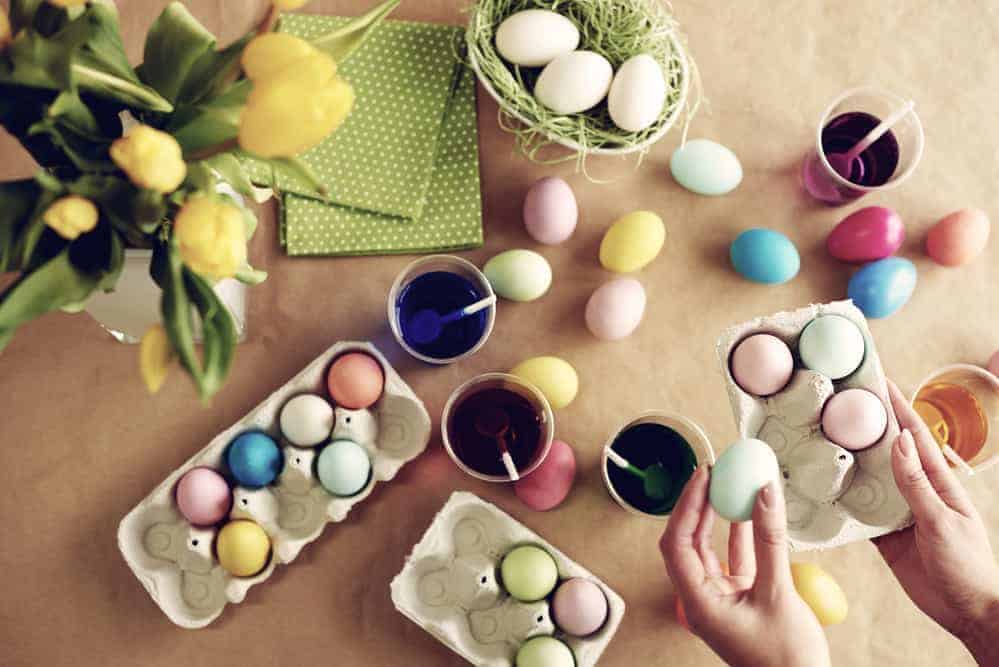
How to Dye Eggs With Natural Ingredients
Easter is just around the corner, and that means many of us will be participating in the Easter tradition of decorating hard boiled eggs.
Check out the recipes below for How to Dye Easter Eggs Naturally!
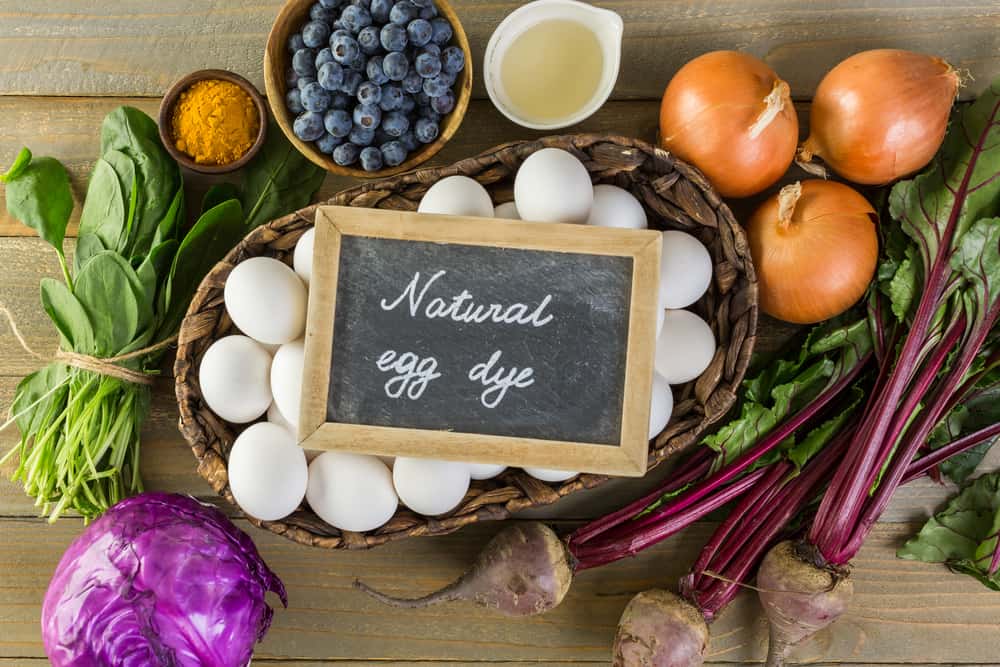
Natural Egg Dye Recipes
Using just a few common food ingredients, you can make your own natural food coloring that works so great for dyeing Easter Eggs.
Blue Dye
Use Red Cabbage to dye the eggs blue. Just cut 1/4 head red cabbage into chunks and add to 4 cups of boiling water. Let cool to room temperature and remove cabbage with a slotted spoon. Add vinegar.
Yellow Dye
Stir 2 tablespoons of ground tumeric into 1 cup of boiling water. Add vinegar.
Green Dye
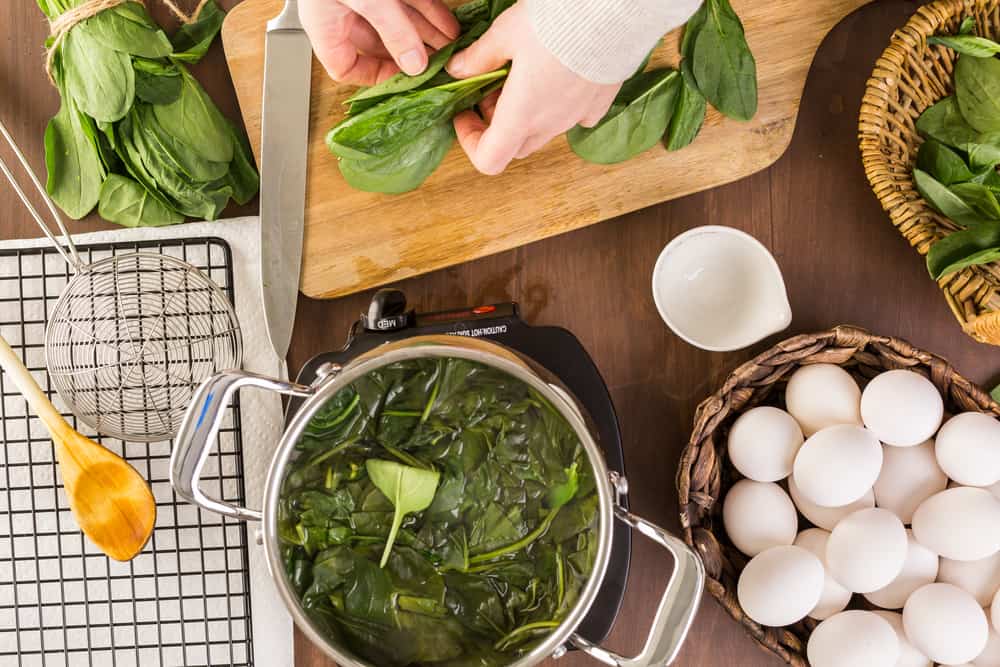
Add a cup of spinach or a few teaspoons of spirulina to boiling water. Add vinegar.
Pink Dye
Beet-dyed eggs will darken the longer they sit in the liquid. Cut 1 medium beet into chunks and add to 4 cups boiling water. Stir in vinegar and let cool to room temperature before removing beets.
Light Blue Dye
Mix 1 cup frozen blueberries with 1 cup water, bring to room temperature and remove blueberries. Do not add vinegar.
Orange Dye
Longer soaking of these onion-dyed eggs will help you achieve a darker color. Take the skin of 6 yellow onions and simmer in 2 cups of water for 15 minutes, then strain. Add vinegar.
Lavender Dye
Mix 1 cup grape juice and 1 tablespoon vinegar.
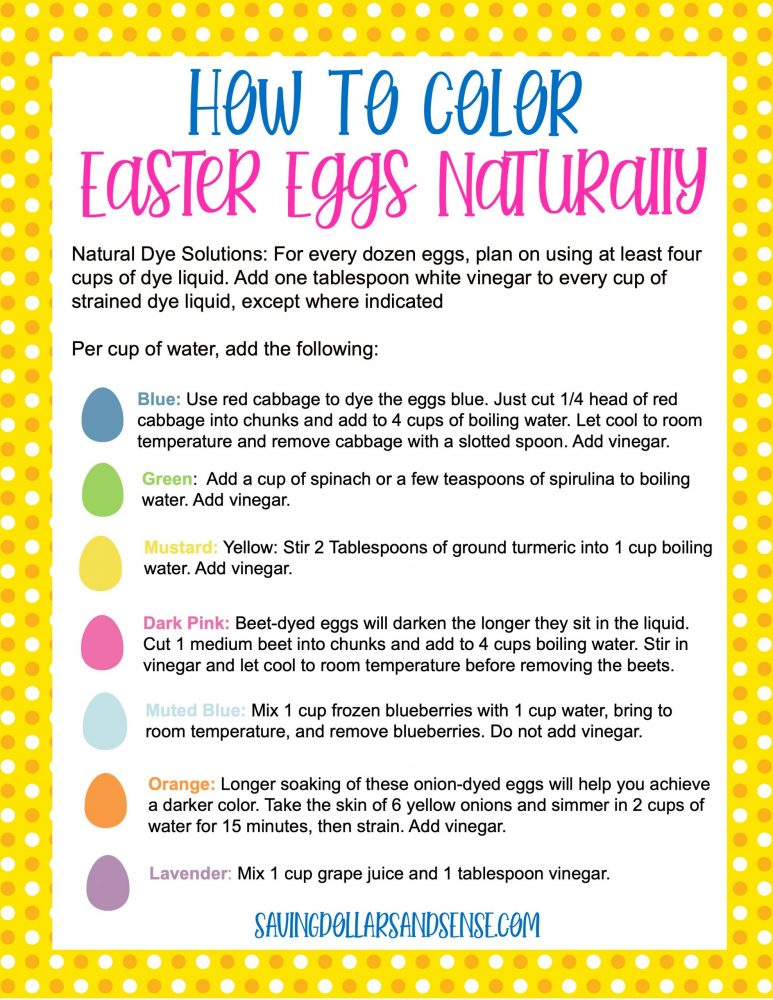
Grab your free printable version of this here.
More Easter Activities
If you liked this Easter activity, you’ll love these ones too:
- Homemade Easter Basket Ideas – All you need is a great idea and a few simple basket-making tips, along with some candy of course!
- Creative Ways to Decorate Easter Eggs – There are so many fun and creative Designs for Easter Eggs Decorating beyond just the traditional pastel food dyes.
- Resurrection Eggs – Share the story of Easter using these free Homemade Resurrection Eggs this year, and start a new tradition with your little ones.
- Easter Egg Bath Bombs – So fun to make using a plastic Easter egg for the mold.
- Easter Bunny Cookies – This is such an easy Easter sugar cookie recipe, that kids will love to help make and help eat too.
- Easter Egg Crafts Kids Can Make – Lots of fun crafty ideas for celebrating Easter.
- Resurrection Rolls – This is one of our most favorite Easter traditions that we did when our kids were little.